Ragdoll Verity Sandbox Map Areas & Obstacles
Scout landmarks, classify hazards, and build experiments you can repeat on command.
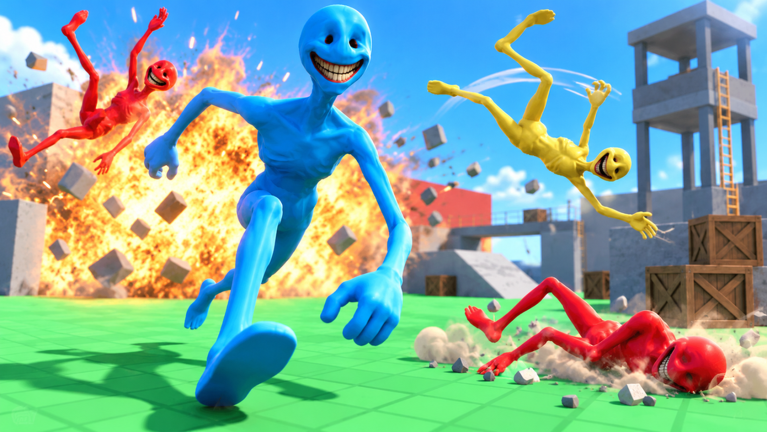
Ragdoll Verity Sandbox is not a checklist open-world with quest markers. It is a Physics Sim playground where areas and obstacles exist so you can push, throw, and launch Verity into interesting collisions. This guide teaches you to explore with intent: name landmarks, classify obstacle roles, and convert scenery into experiments that pair with Physics Tips and the opinion ranks on the Tier List.
Exploration mindset
You play solo (max players 1). Nobody steals your spot. That means you can clear a corner of the map methodically:
- Pick a compass direction from spawn.
- Walk until elevation or prop density changes.
- Plant a mental flag (unique wall color, odd prop, skyline shape).
- Run one soft push and one firm throw before moving on.
- Only then decide if the landmark deserves a full experiment card.
Skipping step 4 is how players “see the whole map—without learning any of it.
Obstacle roles (a useful taxonomy)
Official marketing highlights obstacles and areas without publishing a codex. Use this player taxonomy instead:
| Role | What it does to Verity | Experiment idea |
|---|---|---|
| Ramp / slope | Converts horizontal speed to airtime | S-tier height launches |
| Ledge / drop | Adds free fall | Controlled edge-drops |
| Wall seam | Redirects momentum | Side-profile spin studies |
| Corridor | Chains secondary hits | Pinball hallway takes |
| Prop pile | Chaotic multi-collide | Gap-into-clutter throws |
| Open flat | Baseline laboratory | Soft vs firm comparisons |
| Tight wedge risk | Soft-locks | Approach slowly or skip |
Tag each landmark with one primary role. Hybrid spots exist; still pick a primary so your notes stay searchable.
First scout route (20 minutes)
Spawn ring (3 min). Camera orbit. Note immediate flats and any obvious slopes.
Near-field props (5 min). Interact lightly. Avoid wedging on minute five of your day.
Elevation hunt (7 min). Seek any path upward. Height is the spectacle multiplier explained in Physics Tips.
Far pocket (5 min). Walk until the spawn skyline looks small. Plant a flag. Do not empty your session energy on the first far pocket—leave a reason to return.
Log three favorites maximum per day. Catalog bloat is real.
Turning a landmark into an experiment
Template:
- Name: “Orange wall seam near low ramp”
- Role: Wall seam + ramp approach
- Start mark: Crack in the floor two steps back
- Baseline throw: Medium power, camera three-quarter
- Variant A: Same power, steeper approach
- Variant B: Softer power, earlier release
- Abort rule: Two wedges —reset / rejoin (see Getting Started)
- Tier guess: A or S pending results
This template feeds the tier list without arguing online first.
Area archetypes you are likely to meet
Because layouts can change after creator updates (Updates notes launch 28 Oct 2026 and a 8 Nov 2026 metadata stamp), we describe archetypes rather than brittle GPS coordinates.
Starter flats
Safe laboratories. Perfect for Controls drills and Card 1 physics tests. Do not judge the whole game by flats alone.
Vertical toys
Anywhere you gain height quickly. Prioritize these once basics click. Film with zoom-out.
Clutter gardens
Prop-dense pockets. Great for multi-collide comedy; poor for learning clean arcs if you start here on day one.
Narrow connectors
Hallways and gaps between spaces. High entertainment, higher soft-lock rate. Soft entries only.
Edge overlooks
Natural theaters for edge-drops. Pre-aim camera downward along the fall line.
Safety and comfort while scouting
- Reset early when wedged—pride is not a strategy.
- Take breaks if spinning cameras nauseate you.
- Ignore chat pressure to install noclip “map unlockers.—Out-of-bounds tourism is C-tier for a reason and risky via Scripts.
- Mild maturity still means keep shared clips reasonable when you post from the community hub habits.
Linking obstacles to launches
Obstacles are ingredients; launches are recipes:
- Slope + medium throw —highlight reel candidate
- Ledge + soft push —controlled tumble study
- Prop pile + gap throw —chaos clip
- Corridor + firm entry —pinball (watch wedges)
- Flat + soft/firm pair —calibration only
If a recipe fails twice, change one ingredient using the Physics Tips method—not all of them.
multiplayer fantasies vs solo reality
You cannot hold a door while a friend launches Verity. Design experiments that a single operator can reset. “Two-person camera—ideas become “record, then watch—ideas. That constraint keeps this sandbox honest.
After map changes
When burg games.. reshapes areas:
- Re-walk your scout route.
- Retire landmarks that vanished.
- Re-test surviving S-tiers.
- Check Codes in case a milestone message appeared in the description.
- Update your personal catalog dates.
Do not trust month-old video callouts blindly—especially pre-November clips after the metadata bump.
Mini quests to structure free play
- Three roles challenge: Film one ramp, one ledge, one prop-pile take in a single session.
- Same throw, two areas: Duplicate power/angle in flat vs elevated space.
- Camera tour: No throws for five minutes—only framing practice at three landmarks.
- Soft-lock drill: Intentionally enter a mild wedge risk zone once, then practice clean recovery.
These quests replace FOMO progression systems the game does not have.
Related reading
- Physics Tips —crash craft
- Controls —device inputs
- Getting Started —first session
- Tier List —rank your finds
- Guides Hub —full list
- Wiki overview —framing
Maps in this genre are invitations, not exams. Name what you see, classify how it hits Verity, and leave each session with one landmark smarter than yesterday.
Frequently Asked Questions
Quick answers about Verity launches, codes, and solo physics sessions.
Is there an official map with labels?
No public labeled atlas is mirrored here. Use landmark names and the obstacle role taxonomy on this page.
What obstacle should beginners try first?
Start on open flats, then add a single ramp or ledge. Save tight corridors until resets feel easy.
How do I make obstacle runs repeatable?
Mark a start position, write a baseline throw, change one variable, and keep abort rules for wedges.
Can friends help hold positions on the map?
No. The experience is solo. Design single-operator experiments and share clips afterward.
What if the map changed after an update?
Re-scout your route, re-test old S-tiers, and check the Updates Hub plus description notes.